

Posts by Ellen Woudstra
Report: Social mobility over time in the district Amsterdam Nieuw-West
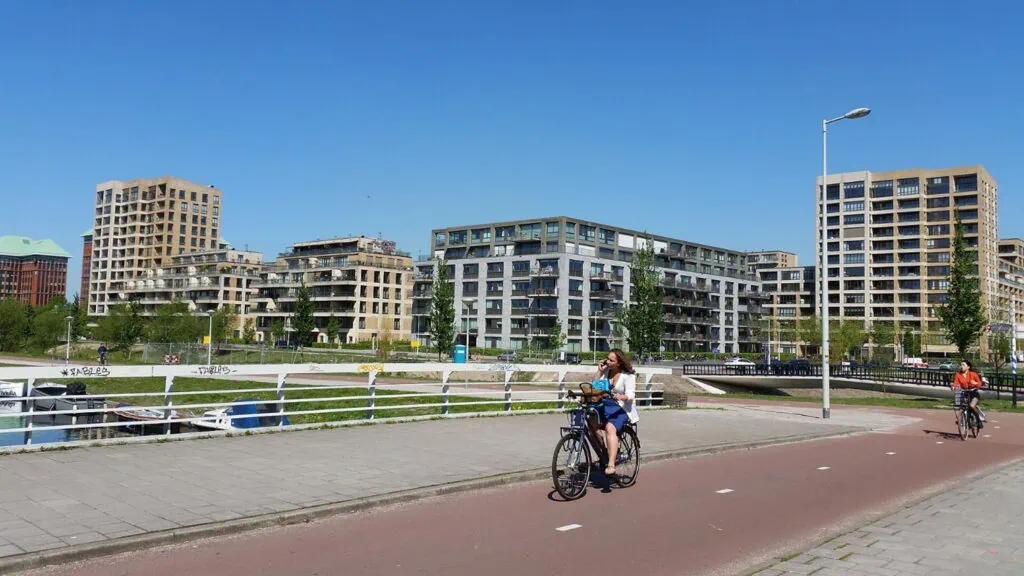
Social mobility in Amsterdam Nieuw-West continues to lag structurally behind other parts of Amsterdam, and people who experience upward mobility from Nieuw-West are increasingly less likely to remain living in their own district as adults. These are some of the key findings in the latest report prepared for the Kenniscentrum Ongelijkheid (Knowledge Centre for Inequality)…
Read MoreMaking homes more sustainable leads to better health for childre

Better insulation and ventilation in social housing means that children need less medication for asthma or allergies. This is the conclusion of a large-scale study involving two million people, monitored for 10 years by researchers from TU/e and Vrije Universiteit Amsterdam (VU). It is the first study to show on a large scale that making…
Read MoreShould we densify or relocate cities?

As part of his PhD on the spatial distributional effects of the climate transition, Yashvant Premchand, together with Peter Mulder, mapped out the costs and benefits of housing construction in climate-risked areas. Their research shows that this debate requires more nuance than is often assumed. It is not simply a choice between building in “safe”…
Read MoreNew research: Which house price data are suitable for housing market research?

Which house price data can researchers use? Ideally, one would use sales prices: the prices at which houses were actually sold. In practice, however, this data isn’t always available, or it only becomes available with a delay. Therefore, list prices or assessed values (such as the official tax assessments like WOZ values in the Netherlands)…
Read MoreHigh-speed rail and the spatial economy

High-speed rail (HSR) is expanding rapidly and is often promoted as a fast and sustainable mode of transport. A recently published article by Hans Koster and Jacques Thisse reviews a large body of theory and empirical evidence and shows that, while HSR can deliver substantial aggregate benefits, it also reshapes residential and employment patterns. These spatial reallocations…
Read MoreEspecially industrial regions in Europe are vulnerable to U.S. tariffs
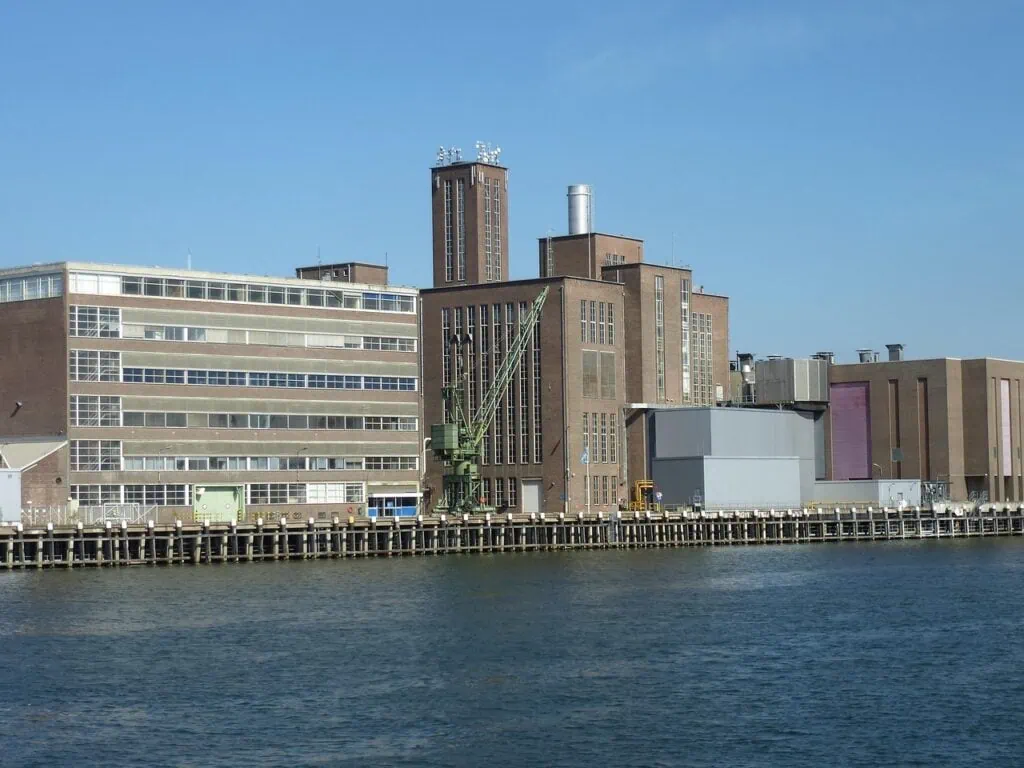
The high walls of import tariffs introduced by the United States over the past six months have had negative consequences for economic activity. Which European and Dutch regions face the greatest risks? This question is addressed by Dimosthenis Sampson (University of Groningen), Bart Los (University of Groningen), Spatial Economics’ Mark Thissen, and Xianjia Ye (University…
Read MoreConsequences of export restrictions: Evidence from Indonesia

An increasing number of developing countries are restricting non-renewable natural resource exports to encourage domestic processing, move up the global value chain, and spur local development. Maarten Bosker, Else-Marie van den Herik, Paul Pelzl, and Steven Poelhekke study the local labour-market effects of Indonesia’s voluntary export ban on unprocessed nickel and bauxite in 2014, previously…
Read MoreSpatial Economists contribute to World Urbanization Prospects 2025: CRISP model

The United Nations has released its latest projections on global urbanisation, a periodically published outlook that plays a central role in providing insight into how cities around the world are expected to grow in the coming decades. A key part of the spatial forecasting in this edition of the ‘World Urbanization Prospects 2025’ was supported…
Read MoreInaugural lecture Mark Thissen: Global political and economic shifts are boosting the need for region-specific policy

On 27 November 2025, Mark Thissen delivered his inaugural lecture. In his lecture, titled ‘Macht en fragmentatie in regionale productieketens: van just-in-time naar just-in-case’ (Power and Fragmentation in Regional Production Chains: From Just-in-Time to Just-in-Case) he argued that political and economic changes around the world are increasing the importance of region-specific policies – and, consequently,…
Read MoreNew research: The social and economic impact of NV Zeedijk
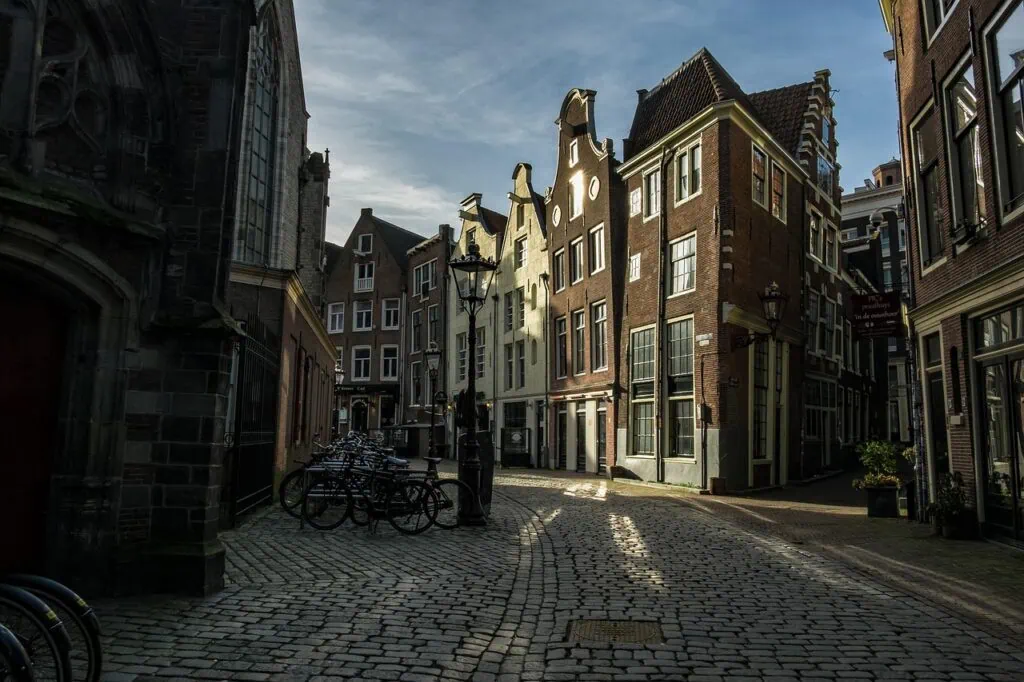
What is the societal and economic value of NV Zeedijk? This question was addressed by Thomas de Graaff, Casper Klipp en Hans Koster. NV Zeedijk was founded in the 1980s to revitalize the then-deteriorated Zeedijk area in Amsterdam. By strategically purchasing, renovating, and actively managing properties, the organization – with the Municipality of Amsterdam as its largest shareholder –…
Read More