

regional economics
Spatial Economists contribute to World Urbanization Prospects 2025: CRISP model

The United Nations has released its latest projections on global urbanisation, a periodically published outlook that plays a central role in providing insight into how cities around the world are expected to grow in the coming decades. A key part of the spatial forecasting in this edition of the ‘World Urbanization Prospects 2025’ was supported…
Read MoreInaugural lecture Mark Thissen: Global political and economic shifts are boosting the need for region-specific policy

On 27 November 2025, Mark Thissen delivered his inaugural lecture. In his lecture, titled ‘Macht en fragmentatie in regionale productieketens: van just-in-time naar just-in-case’ (Power and Fragmentation in Regional Production Chains: From Just-in-Time to Just-in-Case) he argued that political and economic changes around the world are increasing the importance of region-specific policies – and, consequently,…
Read MoreNew research: The social and economic impact of NV Zeedijk
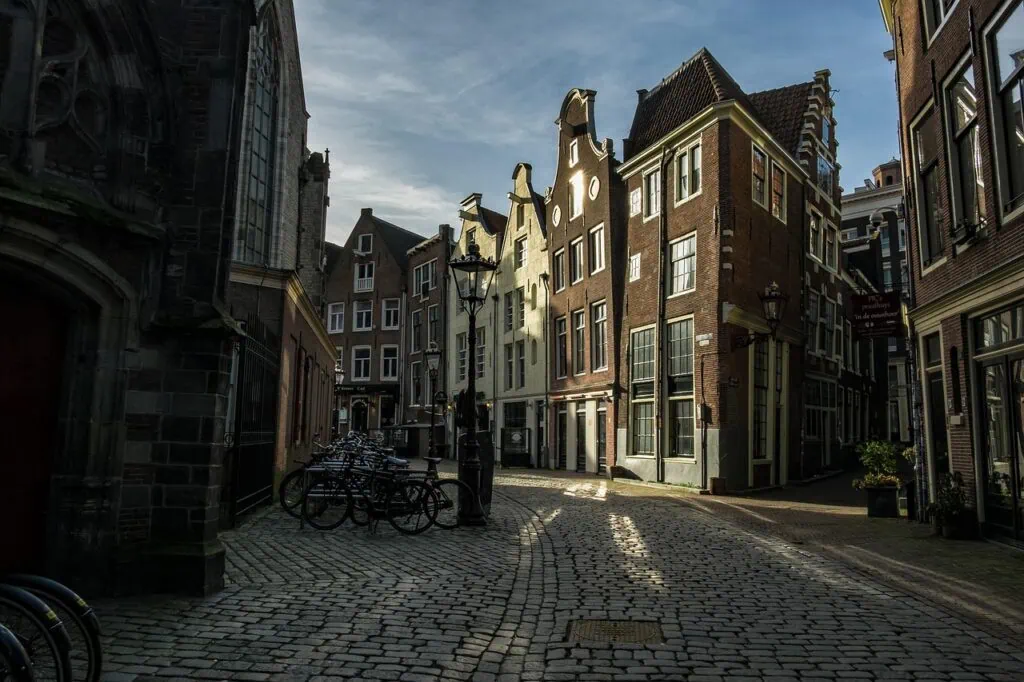
What is the societal and economic value of NV Zeedijk? This question was addressed by Thomas de Graaff, Casper Klipp en Hans Koster. NV Zeedijk was founded in the 1980s to revitalize the then-deteriorated Zeedijk area in Amsterdam. By strategically purchasing, renovating, and actively managing properties, the organization – with the Municipality of Amsterdam as its largest shareholder –…
Read MoreThe “vintage” effect: Older commercial buildings increase in value more than younger ones

Recent research by Jan Rouwendal, Or Levkovich, Edwin Buitelaar and Jip Claassens, published in Regional Science and Urban Economics, shows that the prices of older commercial buildings increase relative to younger ones. According to the researchers, this is the result of the so-called “vintage effect”: in a growing real estate market, older buildings turn out to…
Read MoreEconomic Outlook of the Metropolitan Region Amsterdam 2025 published
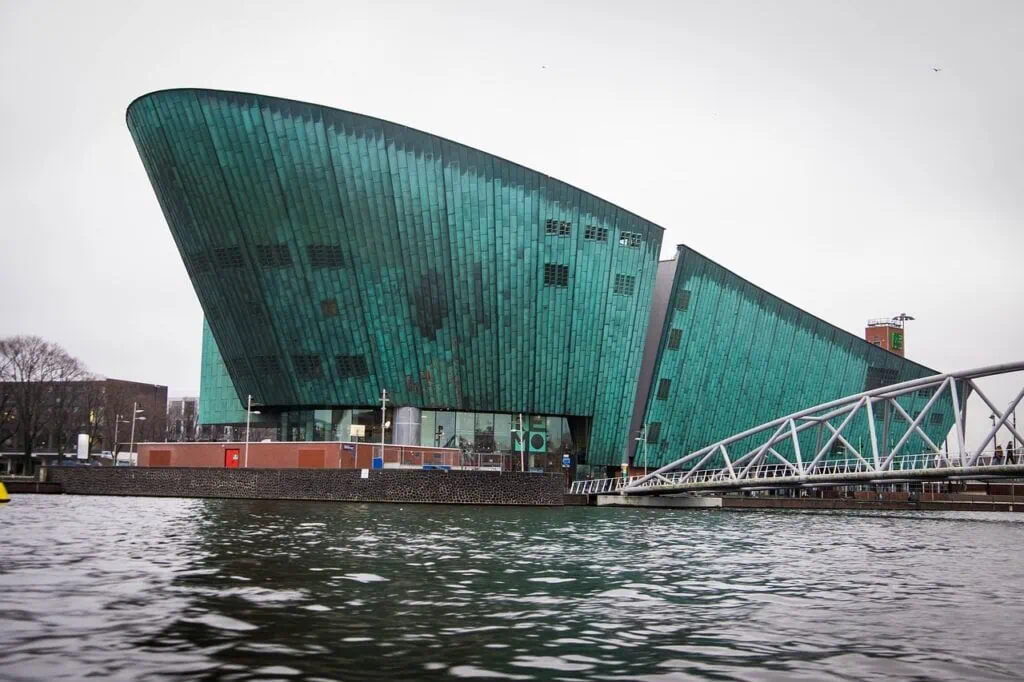
The economy of the Metropolitan Region Amsterdam (MRA) is currently growing faster than that of the Netherlands, the EU, and other major European cities. The region performs well in terms of employment, education levels, and accessibility, but it is vulnerable due to structural challenges such as an aging population and declining labour productivity growth. Key…
Read MoreThe housing market follows suit: The hidden price of land subsidence
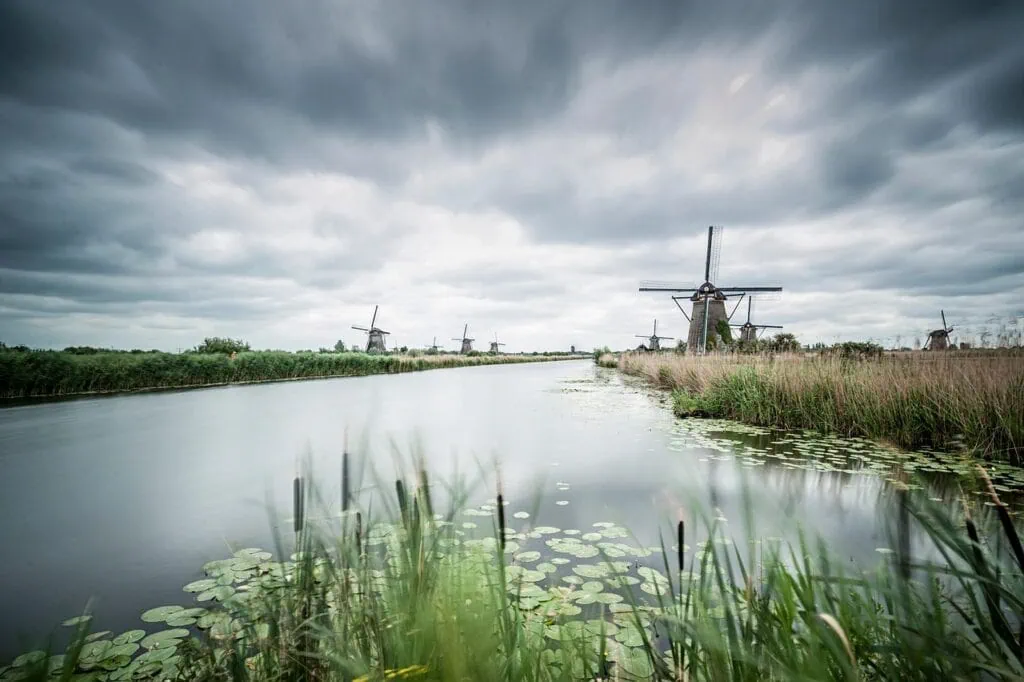
The housing market Is not immune to climate change. When we think about climate change, we often focus on floods and heavy rainfall. But underground, a slower and less visible risk is emerging: land subsidence. Sinking gardens, cracked walls, broken pipes, and damaged foundations occur gradually, but they can suddenly lead to major financial consequences…
Read MoreMaster Spatial, Transport, and Environmental Economics named Best Economics Master’s Programme of 2025

The master’s programme in Spatial, Transport, and Environmental Economics at Vrije Universiteit Amsterdam has been named the best economics master’s programme in the Netherlands for 2025, according to the latest results of the National Student Survey (in Dutch abbreviated as NSE*). The programme ranks highest in nearly all evaluated categories, outshining other economics master’s programmes.…
Read MoreWhere public spaces disappear, opportunities for equality shrink

In a society in which equality of opportunity is increasingly high on the agenda, it is striking how little attention is paid to the physical places that promote social mobility. Libraries are disappearing, youth centres are closing and schools are merging, forcing people to travel further and further to make use of essential services. According…
Read MorePhD Defense by Sacha den Nijs on investing in the energy transition

For the transition to a green economy, it is essential not only to put a price on CO₂ emissions but also for governments to address market distortions, such as policy uncertainty that hinders investments in the energy transition. This is evident from research conducted by Sacha den Nijs, who worked as a guest researcher at…
Read MoreHouseholds generally satisfied with their homes, but challenges remain
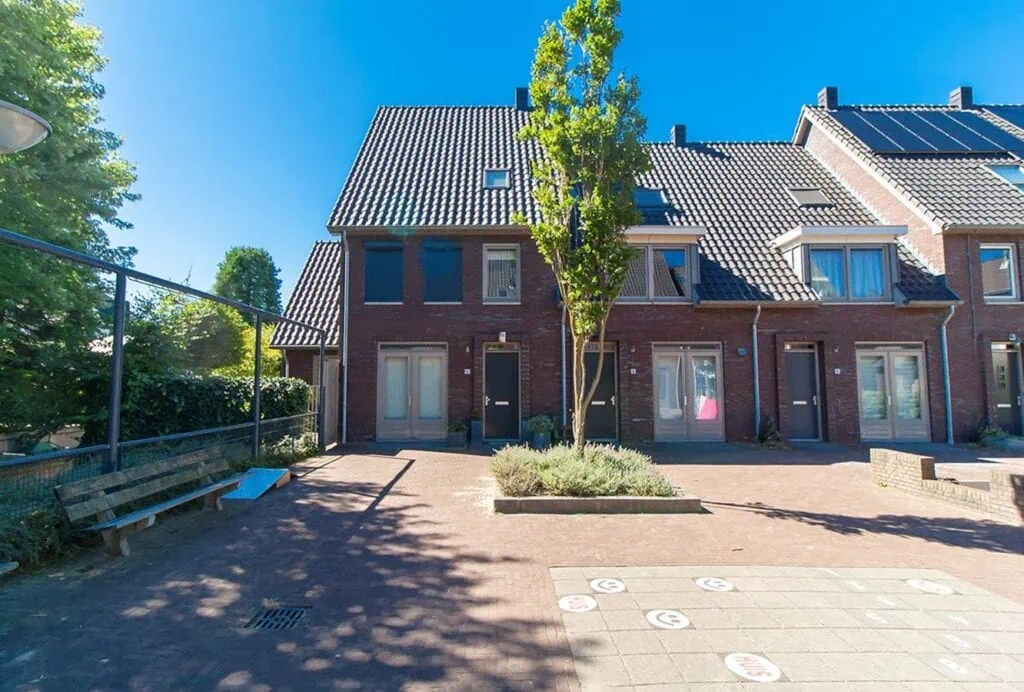
Dutch households are generally satisfied with their homes. Recent research shows that, on average, residents give their homes a solid pass grade. Nevertheless, many people face difficulties in realizing their housing preferences, particularly due to long waiting lists for social housing and the high costs in the private rental and owner-occupied housing markets. The study,…
Read More