

Posts by Ellen Woudstra
What are migrants willing to pay for better home country institutions?

Migrants from developing countries benefit greatly from their migration by earning a much higher real income in their destination country. They often also benefit from moving to a country where the quality of institutions is better than at home (in terms of, for example, less corruption, greater political stability and a firmer rule of law).…
Read MoreU-PASS: Chinese-European research cooperation on improving urban transport
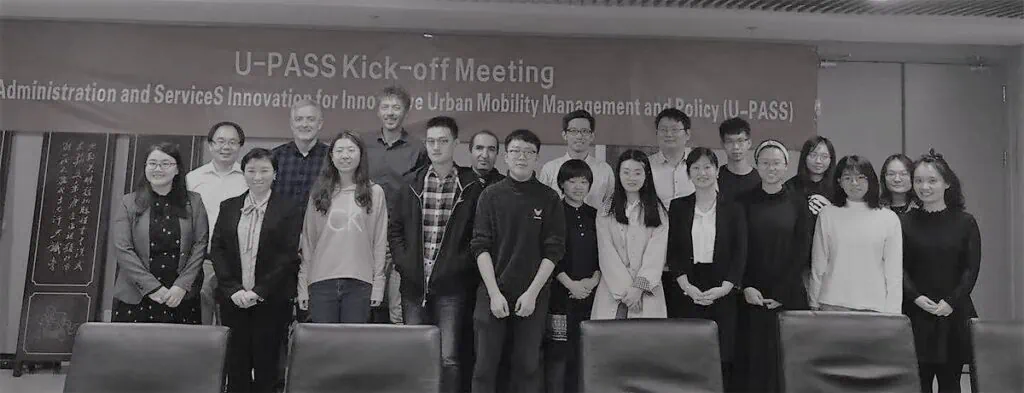
Motivated by the worldwide shared desire and need for more efficient, reliable and environmentally sustainable urban transport, U-PASS investigates how to improve the benefits of transport, while limiting its downsides. U-PASS – Urban Public Administration and ServiceS Innovation for Innovative Urban Mobility Management and Policy) – aims to offer innovations in the design of new services…
Read MoreHigh(er) wind turbines lower residential property values

Residential property values are negatively impacted when properties are in close proximity of a wind turbine. Compared to houses further away from wind turbines, house prices of properties within a 2 km radius from wind turbines decrease by on average 3.9 percent. These are the findings of a research carried out by Spatial Economics’ associate…
Read MoreAbout structural injustice: Prostitution and sex buyers’ responsibility
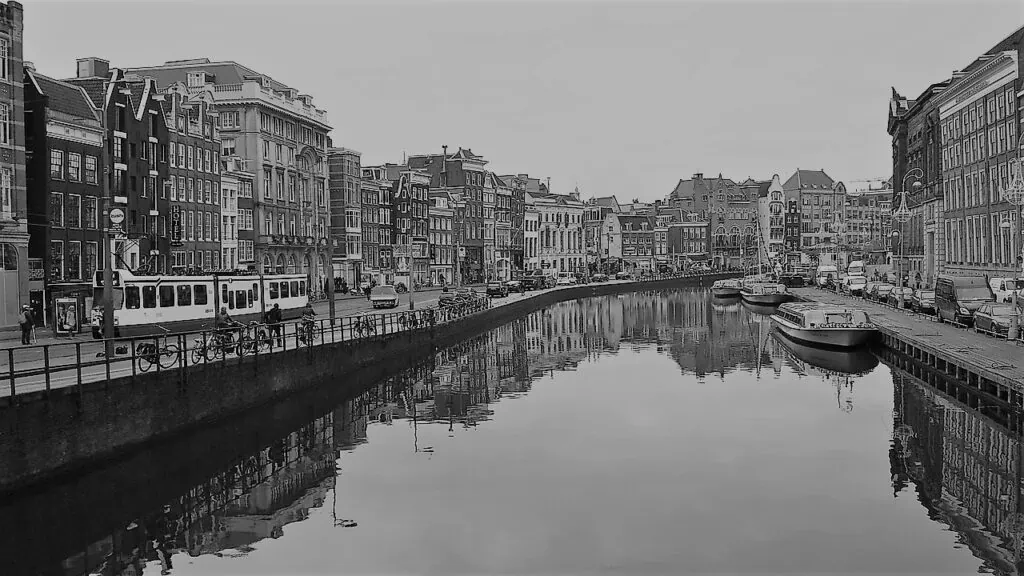
Prostitution in Amsterdam has a long history, and for a long time the Wallen area has been viewed as a great example of tolerance and freedom. However, the demand for prostitution also results in human trafficking and forced labour in the prostitution sector. Recent research on self-reported forced labour in the prostitution sector in The…
Read MoreShopping externalities: How shops benefit from each other without knowing
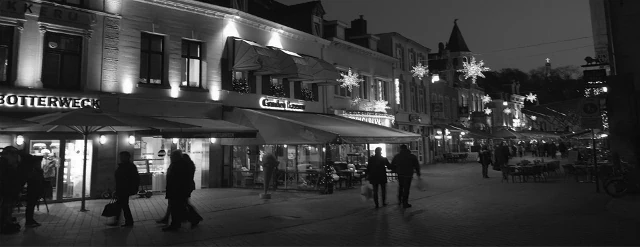
Why do shops cluster in shopping streets? This was the main question that Hans Koster, Ilias Pasidis and Jos van Ommeren addressed in their paper ‘Shopping externalities and retail concentration: Evidence from Dutch shopping streets’, forthcoming in the Journal of Urban Economics. The authors argue that shops located in shopping streets benefit from so-called shopping…
Read MoreRanking and funding researchers by looking at co-author networks

We measure the effectiveness of researchers by how many papers they publish, or how many citations they get. A new measure developed by Hsie et al. (2018) ranks them by their influence on the work of their colleagues too. Through collaborations researchers create spillovers (synergies) for one another, and also other researchers indirectly linked to…
Read MoreEconomic growth in the region of Amsterdam is at a tipping point
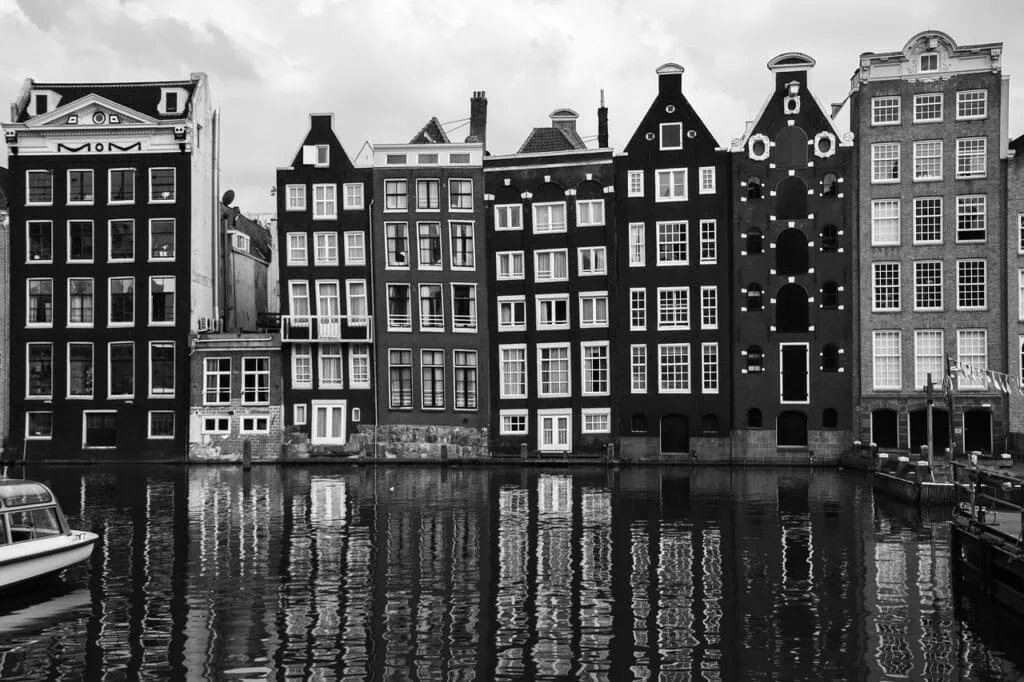
The Metropolitan Region of Amsterdam is doing well. In 2018, the economy grew by 3.4 percent, whereas the growth rate in the Netherlands was 2.7 percent. With 4 percent, unemployment is exceptionally low; entrepreneurs are concerned about the scarcities on the labour market. Growth is expected to decline in the coming years to 2.8 percent…
Read MoreManaging cultural heritage new style: Project HERILAND

HERILAND is a pan-European research and training network, officially launched on April 1, 2019. Its major aim is to empower a new generation of cultural heritage managers. Universities in the Netherlands, the UK, Sweden, Italy and Israel join forces to reach this ambitious goal. Within VU, three faculties are involved: The Faculty of Humanities is…
Read MoreLies, damned lies, and statistics: Looking at re-exports

An increasing part of international trade involves re-exports. In the Netherlands, e.g., re-exports constituted 54 per cent of total exports of goods in 2015. Re-exports are products imported into and exported from an intermediary country. Activities in the intermediary country may involve, e.g. repackaging or adding user manuals in the language of the destination country,…
Read MoreIt is easy to solve problems like congestion, pollution, parking place shortages

How do we keep urban areas attainable, liveable, in a sustainable way? This is in short the question that the IP-SUNTAN research team addressed in the past three years. Research groups from Amsterdam, Stockholm, and Vienna worked together on this ever-hot topic, witness the ongoing media attention that all groups received, in particular Spatial Economics’ head of…
Read More