

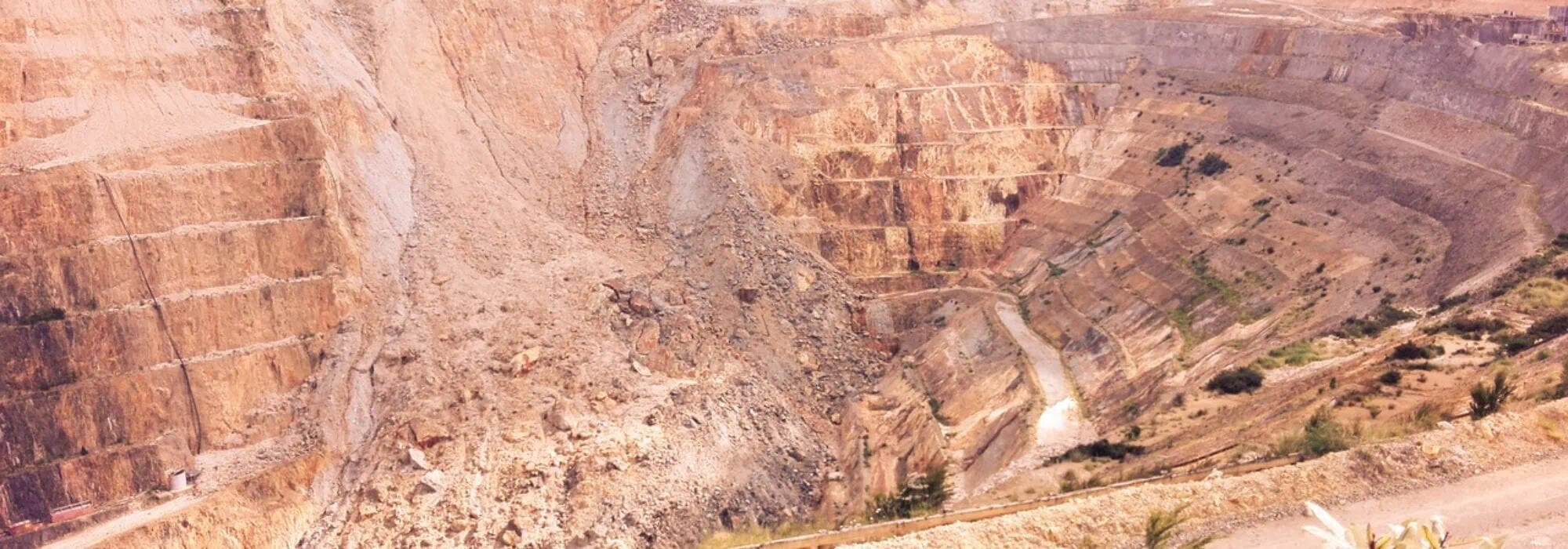
An increasing number of developing countries are restricting non-renewable natural resource exports to encourage domestic processing, move up the global value chain, and spur local development. Maarten Bosker, Else-Marie van den Herik, Paul Pelzl, and Steven Poelhekke study the local labour-market effects of Indonesia’s voluntary export ban on unprocessed nickel and bauxite in 2014, previously a major source of export revenue. Exploiting plausibly exogenous variation in the timing of the ban, opening of new processing facilities, and the location of Indonesia’s mineral deposits, the research shows that – after an initial dip – major investments in nickel processing increased employment in nickel mining districts.
New smelters drove structural change, shifting jobs from agriculture to mining and manufacturing. In sharp contrast, the ban only led to very limited investment in bauxite processing, causing bauxite production and local employment to fall. In addition, the researchers find that nickel processing raised mining employment in Indonesia’s coal districts, which provide the main source of energy for nickel processing.
Full reference
Bosker, M., E. van den Herik, P. Pelzl, and S. Poelhekke (2025). The (Un)intended Consequences of Export Restrictions: Evidence from Indonesia. CEPR Discussion Paper DP20791.
Read also the VOX EU column about the research