

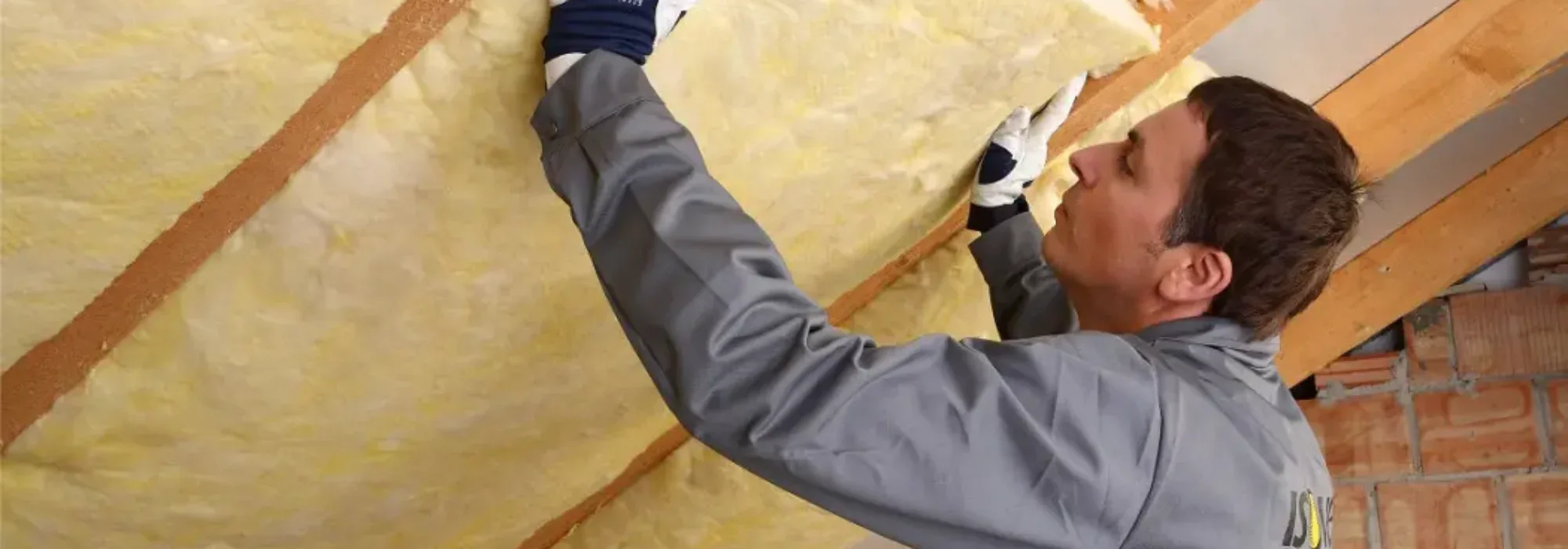
How can better housing improve children’s health and future development? This is the central question of HUG (Homes for Upcoming Generations), a new five-year multidisciplinary research project supported by an €800,000 grant from the Dutch Research Council (NWO). The research team consists of Dr. Ioulia Ossokina (Eindhoven University of Technology), Prof. Jasper Been (Erasmus Medical Center), Prof. Anne Gielen (Erasmus Medical Center), and – last but not least – Jos van Ommeren, Professor of Urban Economics at the Department of Spatial Economics. The project investigates how housing quality affects children’s health and development, from before birth through early childhood and school age. Researchers will examine the effects of housing improvements such as insulation, ventilation and the transition to gas-free homes. They will also compare the health benefits of renovating existing homes with those of moving into newly built housing.
Van Ommeren brings an economic perspective to this interdisciplinary collaboration, which connects expertise in economics, housing, public health and medicine. Together with researchers from TU/e, Erasmus MC and Erasmus University Rotterdam, as well as societal partners including housing associations and policy organisations, the team will combine large-scale data covering 12 million person-years with economic, statistical and AI models.
HUG builds on earlier research by Van Ommeren and colleagues showing that energy-efficient housing improvements can generate benefits well beyond lower energy consumption. Better insulation and ventilation can reduce energy poverty, improve living comfort and lower healthcare costs, including through reduced use of asthma medication among children. These benefits extend to residents, municipalities and healthcare insurers, highlighting the wider societal value of investing in better housing.
An important challenge, however, is that housing associations do not necessarily benefit financially from all these wider social gains. The research therefore also aims to provide insights that can help policymakers and housing providers better align investment costs with the broader benefits of healthier homes.
By examining the long-term effects of housing conditions on children’s health and development, HUG aims to generate knowledge and practical tools to support healthier homes and better opportunities for future generations.